Making informed decisions about energy investments can determine whether your organization thrives or struggles with rising utility costs. As global professionals evaluate sustainable energy solutions, understanding the complete picture of solar energy advantages and disadvantages becomes essential for strategic planning.
Solar energy has transformed from an emerging technology into a mainstream power source adopted by businesses and homeowners worldwide. The solar industry now employs over 279,000 workers in the United States alone, according to the Interstate Renewable Energy Council, reflecting the technology’s growing importance in our energy infrastructure.
Understanding Solar Energy Fundamentals
Solar energy harnesses sunlight through photovoltaic panels that convert the sun’s radiation into usable electricity. This renewable energy source offers an alternative to fossil fuels and traditional grid power, providing organizations with greater control over their energy costs and environmental footprint.
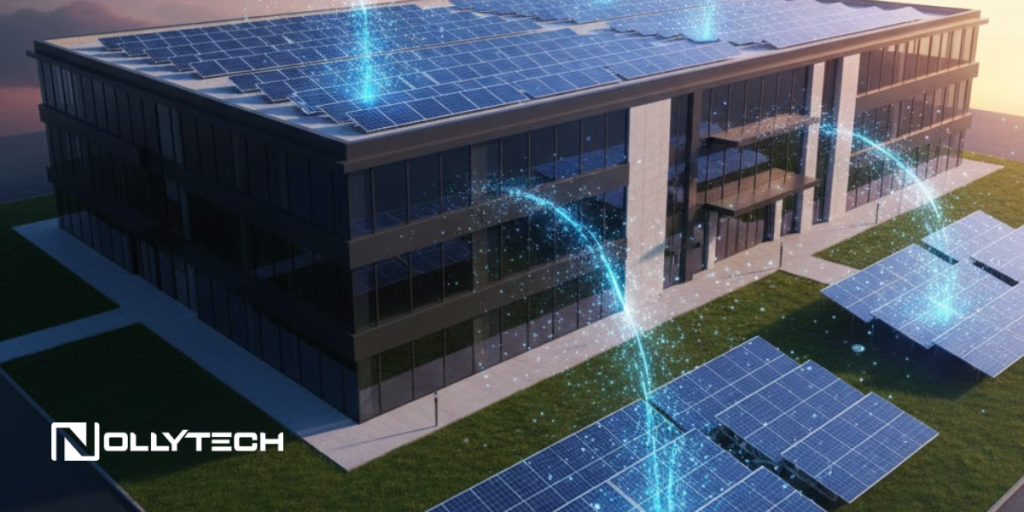
The technology works by capturing sunlight through solar panels installed on rooftops, ground mounts, or specialized structures like solar carports. When sunlight strikes the photovoltaic cells, it generates direct current electricity that inverters convert to alternating current for use in your facilities. Modern solar systems can operate for 25 to 30 years with proper installation, making them a long-term technology investment with measurable returns.
Key Advantages of Solar Energy
The benefits of solar power extend beyond simple electricity generation. For global professionals managing budgets across multiple locations, these advantages can translate into significant operational improvements.
Substantial Reduction in Electricity Bills
Installing a solar system directly reduces your reliance on grid electricity, lowering your monthly utility bills. Commercial solar installations can reduce energy costs by up to 75%, according to industry analyses. A 100-kilowatt commercial system that offsets a $1,200 monthly electric bill could save your organization between $100,000 and $350,000 over the system’s 30-year lifespan.
The savings compound over time as electricity rates continue rising. While utility costs fluctuate with market conditions, your solar energy production remains stable, providing predictable energy expenses for long-term budget planning. For distributed teams operating across different regions, this consistency simplifies financial forecasting.
Federal Tax Credit and Financial Incentives
The Investment Tax Credit currently offers a 30% federal tax credit for commercial solar installations. This substantial incentive allows businesses to recoup nearly one-third of their system costs through tax savings. Additional incentives include accelerated depreciation benefits, state-level rebates, and various grant programs depending on your location.
These solar incentives can reduce the effective installation cost significantly. A $238,600 commercial system might drop to around $114,000 after applying available tax credits and depreciation benefits, according to Paradise Energy Solutions. Working with qualified financial advisors helps maximize these opportunities.
Energy Independence and Grid Reliability
Solar panels provide energy independence by reducing your dependence on the local power grid. When combined with battery storage systems, your organization can maintain operations during grid outages, ensuring business continuity when competitors experience disruptions.
This reliability becomes particularly valuable for organizations with critical operations that cannot tolerate downtime. Data centers, manufacturing facilities, and healthcare operations benefit from the backup power capabilities that modern solar systems with energy storage provide.
Environmental Benefits and Sustainability Goals
Solar power produces clean electricity without greenhouse gas emissions during operation. Organizations committed to reducing their carbon footprint find solar energy aligns with corporate sustainability initiatives and environmental, social, and governance reporting requirements.
Beyond regulatory compliance, demonstrating environmental responsibility through renewable energy adoption strengthens your brand reputation. Customers, employees, and stakeholders increasingly evaluate organizations based on their sustainability practices. For global professionals building teams across cultures, this commitment to clean energy can enhance recruitment and retention efforts.
Property Value Enhancement
Commercial solar installations typically increase property values. Business properties with solar systems command higher valuations, with increases of 4% to 7% commonly reported. This appreciation provides additional financial benefits beyond energy savings, improving your overall real estate position.
Low Maintenance Requirements
Once installed, solar panels require minimal ongoing maintenance. Most systems need only periodic cleaning and occasional inverter checks. Manufacturers typically provide 25-year warranties on panels, while installers carry insurance on their workmanship. This low maintenance profile reduces operational burdens on facilities teams and minimizes unexpected repair costs.
Understanding Solar Energy Disadvantages
While solar energy offers compelling benefits, realistic planning requires understanding the challenges and limitations that come with implementation.
Significant Upfront Investment Costs
Solar installation requires substantial initial capital investment. Commercial systems ranging from 50 to 100 kilowatts typically cost between $130,000 and $250,000 before incentives. While financing options and tax credits reduce the effective cost, organizations must still commit significant resources upfront or arrange appropriate financing.
The payback period for commercial solar installations averages around 10 years, though this varies based on local electricity rates, available incentives, and system size. Organizations planning to relocate within a few years may not recoup their full investment, making solar most suitable for businesses with stable location commitments.
Space Requirements and Installation Constraints
Solar panels require adequate space with sufficient sun exposure. Not all buildings have suitable roof conditions or available ground space for installation. Factors affecting installation viability include roof orientation, shading from nearby structures or trees, roof age and structural capacity, and available square footage.
For organizations in dense urban environments or multi-tenant buildings, traditional rooftop installation may not be feasible. However, community solar programs and alternative renewable energy options provide pathways for these organizations to access solar benefits.
Weather Dependency and Seasonal Variations
Solar panels depend on sunlight, making their output weather-dependent. Cloudy days reduce electricity generation, and panels produce no power at night. Geographic location significantly impacts annual solar production, with southern regions typically generating more energy than northern areas.
Modern solar systems remain effective even in cloudy conditions, though at reduced efficiency. Battery storage systems help address intermittent production by storing excess daytime energy for nighttime use or cloudy periods. However, locations with consistently overcast weather or extended winter darkness may find solar less practical as a primary energy source.
Energy Storage Costs
While battery technology has improved significantly, energy storage systems add considerable cost to solar installations. Organizations wanting to use solar power around the clock or maintain backup power during outages must invest in battery systems, which can double the overall installation cost.
For many commercial installations, grid-connected systems without batteries provide the most cost-effective solution. These systems export excess power during peak production and draw from the grid when needed, using net metering programs to credit surplus generation against future consumption.
Manufacturing Environmental Considerations
While solar panels produce clean energy during operation, their manufacturing involves some environmental impact. The production process uses materials including silicon, glass, and various metals, with some manufacturing processes requiring careful environmental controls. End-of-life recycling infrastructure for solar panels continues developing as early installations reach retirement age.
These manufacturing considerations represent a fraction of the environmental impact compared to fossil fuel alternatives. However, organizations prioritizing complete lifecycle sustainability should evaluate manufacturer practices and available recycling options.
Making the Solar Decision for Your Organization
Evaluating solar energy advantages and disadvantages requires examining your specific circumstances, including energy consumption patterns, available space, financial position, and long-term operational plans.
Assessing Your Solar Potential
Start by analyzing your current electricity consumption and costs. Review utility bills to understand monthly usage patterns and identify peak demand periods. Calculate your annual electricity expenditure to establish the baseline for potential savings.
Next, evaluate your facility’s solar suitability. Rooftop systems work best on south-facing roofs in the northern hemisphere with minimal shading. Ground-mounted systems offer flexibility but require available land. Professional solar assessments can determine optimal system size and expected production based on your location and facility characteristics.
Financial Analysis Framework
Develop a comprehensive financial model that accounts for installation costs after available incentives, expected energy production and savings, maintenance and operational costs, financing costs if applicable, and opportunity cost of capital.
Most commercial solar installations achieve payback within 7 to 12 years, with returns continuing for another 15 to 20 years of system operation. Comparing the total cost of ownership against projected utility costs helps quantify the financial benefit. Many organizations find that solar investments outperform alternative uses of capital when evaluated on a risk-adjusted basis.
Implementation Considerations
Successful solar implementation requires selecting qualified installers with commercial experience, securing necessary permits and utility interconnection agreements, coordinating installation timing with business operations, and establishing monitoring and maintenance protocols.
Working with experienced solar developers streamlines this process. These professionals handle permitting, interconnection, and construction management, minimizing disruption to your operations. For organizations with multiple facilities, standardized installation approaches across locations can improve efficiency and reduce overall costs.
The Strategic Value of Solar Investment
Solar energy represents more than an energy source; it’s a strategic investment that affects operational costs, environmental positioning, and long-term asset values. The advantages of solar power, including reduced electricity bills, tax incentives, energy independence, and sustainability benefits, often outweigh the disadvantages of upfront costs and space requirements for organizations with suitable facilities and stable location plans.
As electricity costs continue rising and solar technology becomes increasingly efficient, the economic case for solar strengthens. Organizations that adopt solar energy now position themselves to benefit from years of energy cost savings while contributing to broader sustainability goals. The positive effects of technology investments like solar extend beyond immediate financial returns to include enhanced corporate reputation and alignment with evolving stakeholder expectations.
For global professionals evaluating energy strategies, solar represents a proven technology with clear financial and environmental benefits. Understanding both the advantages and disadvantages enables informed decisions that align with your organization’s operational needs, financial objectives, and sustainability commitments.