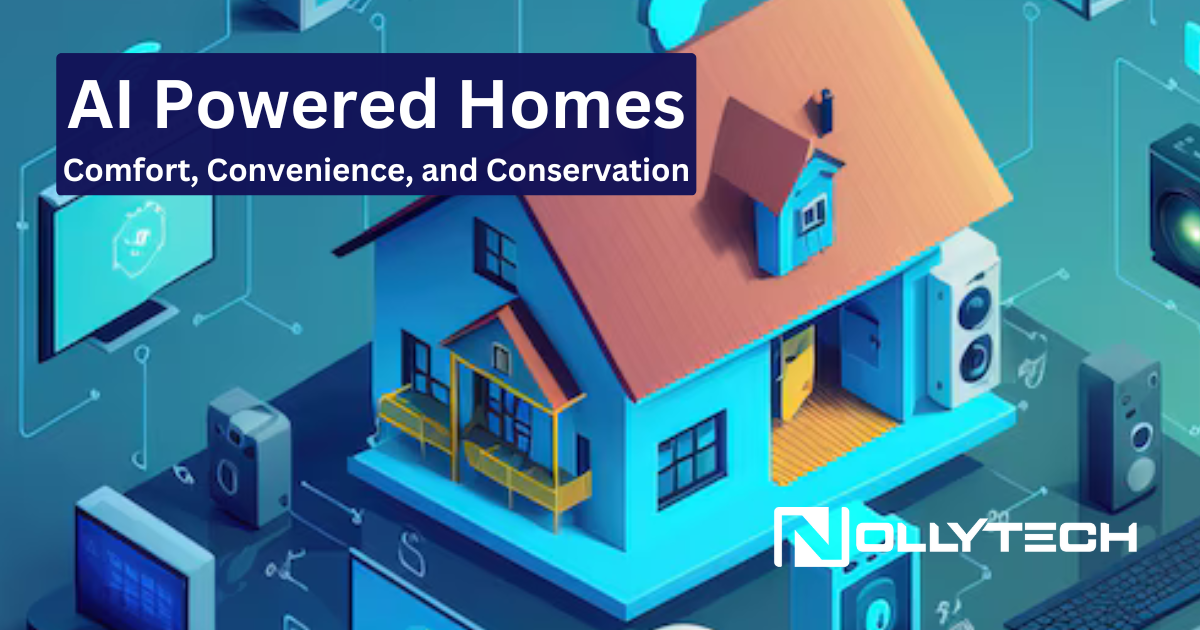
You check your phone as your alarm sounds, and your smart thermostat has already adjusted to your preferred morning temperature. Your coffee maker started brewing ten minutes ago based on your typical wake time. Before you’ve even left the bedroom, automated systems have already begun optimizing your day. These everyday automation examples represent just the beginning of how automated processes transform both personal routines and professional environments.
For global professionals managing complex workflows across multiple time zones, understanding automation isn’t merely academic. The technology that brews your coffee operates on the same principles driving enterprise process automation worth billions in efficiency gains. When you grasp how automated systems eliminate repetitive tasks, you position yourself to identify similar opportunities within your organization’s operations.
Automation refers to technology performing tasks that previously required human intervention. These automated machines and systems operate according to predetermined rules or learned patterns, completing work faster, more consistently, and often more accurately than manual methods allow. From the assembly line robots revolutionizing manufacturing automation to the AI-powered assistants scheduling your meetings, automation permeates modern life in ways both visible and subtle.
Smart Home Automation in Daily Life
Your home has become an automation laboratory whether you realize it or not. Smart home technology has advanced from luxury novelty to practical necessity for busy professionals seeking efficiency in their personal lives. Understanding these home automation examples helps illustrate principles that scale to enterprise applications.
Smart thermostats represent perhaps the most impactful home automation investment. Devices like the Nest Learning Thermostat observe your temperature preferences and schedule, automatically adjusting heating and cooling to optimize comfort while minimizing energy consumption. The system learns when you typically leave for work, reducing climate control during empty hours and restoring comfortable temperatures before your return. Enterprise building management systems operate on identical principles at larger scales.
Voice assistants including Amazon Alexa, Google Assistant, and Apple’s Siri have transformed how we interact with automated systems. These digital assistants respond to natural language commands, controlling smart devices, answering questions, setting reminders, and managing calendars. For professionals juggling multiple responsibilities, voice-activated automation enables productivity during moments when hands-free operation provides distinct advantages.
Automated lighting systems adapt to your presence and preferences without manual intervention. Motion sensors activate lights as you enter rooms and extinguish them after you leave. Smart bulbs adjust color temperature throughout the day, providing energizing bright light in mornings and warmer tones as evening approaches. These automated processes reduce energy waste while creating more comfortable living environments.
Home security automation has evolved beyond simple alarm systems to comprehensive monitoring solutions. Smart cameras detect motion and send smartphone alerts. Automated door locks enable keyless entry and remote access management. Sensor systems monitor for water leaks, smoke, and carbon monoxide, automatically alerting homeowners and emergency services when dangerous conditions are detected.
Business Process Automation Examples
The workplace has undergone radical transformation through business automation. Tasks that consumed countless employee hours now complete automatically, freeing human workers for higher-value activities requiring creativity, judgment, and interpersonal skills. Recognizing these workflow automation patterns helps you identify opportunities within your own professional context.
Customer relationship management platforms exemplify sophisticated business automation. Salesforce and similar systems automatically track customer interactions, trigger follow-up reminders, assign leads to appropriate sales representatives, and generate performance reports without manual intervention. For enterprise sales professionals like those managing global territories, this automated tracking proves essential for maintaining relationships across diverse client portfolios.
Email automation handles routine communications that would otherwise consume significant staff time. Marketing automation platforms send personalized messages based on customer behaviors, segment audiences automatically, and track engagement metrics. Transactional emails confirming purchases, shipping updates, and appointment reminders deploy without human involvement once configured.
Financial process automation streamlines accounting operations across organizations of all sizes. Automated invoicing systems generate and send bills according to predetermined schedules. Payment processing automation handles customer transactions while reconciling accounts automatically. Expense management systems capture receipts, categorize spending, and flag policy violations without requiring manual review of routine items.
Human resources departments leverage automation extensively throughout the employee lifecycle. Applicant tracking systems filter resumes based on keyword matching, schedule interviews automatically, and manage candidate communications. Onboarding automation delivers training materials, collects required documentation, and provisions system access for new employees according to standardized workflows.
Manufacturing and Industrial Automation
The factory floor pioneered automation as we understand it today. Manufacturing automation transformed production from craft-based operations to high-volume, consistent output that characterizes modern industry. These industrial automation principles continue evolving as robotic automation and artificial intelligence capabilities expand.
Assembly line automation represents the most visible industrial application. Automated machines perform welding, painting, component installation, and quality inspection with precision impossible for human workers to maintain over extended periods. Automobile manufacturing exemplifies this approach, with robots performing the majority of production tasks while human workers handle final assembly and quality verification.
Computer numerical control machining automates precision manufacturing of components. CNC machines follow programmed instructions to cut, drill, and shape materials with microscopic accuracy. This technology automation enables consistent production of complex parts that would be impractical to manufacture manually while reducing errors that waste expensive materials.
Packaging automation handles the final stages of product preparation for distribution. Automated systems weigh products, fill containers, apply labels, and assemble packages at speeds no human team could match. This efficiency proves essential for consumer goods companies processing millions of units daily.
Quality control automation increasingly relies on computer vision and sensor systems. Cameras inspect products for defects at production line speeds, automatically rejecting items that fail specification requirements. This automated inspection catches problems that human inspectors might miss while enabling 100% inspection rates rather than statistical sampling.
Transportation and Navigation Automation
The vehicles transporting goods and people worldwide increasingly operate with automated assistance or full autonomy. GPS systems and automated navigation represent mature technologies, while self-driving capabilities continue advancing toward broader deployment.
Your car’s GPS represents sophisticated automation that we now take for granted. Satellite-based positioning combined with mapping databases and real-time traffic data automatically calculates optimal routes to your destination. This automated navigation adapts to conditions, suggesting alternatives when accidents or construction create delays. The technology that guides your commute evolved from military systems and now operates in virtually every smartphone and modern vehicle.
Autopilot systems in commercial aviation automate significant portions of flight operations. After takeoff, pilots engage automated systems that maintain altitude, airspeed, and heading according to programmed flight plans. Modern aircraft can execute approaches and landings automatically under appropriate conditions, with human pilots monitoring systems and making strategic decisions.
Maritime navigation has similarly embraced automation. Ships utilize GPS positioning, radar, and automated collision avoidance systems to traverse oceans safely. Large cargo vessels increasingly operate with automated engine management and navigation systems that optimize fuel consumption while maintaining schedules.
Self-driving vehicle technology continues advancing despite high-profile setbacks. Waymo operates autonomous taxi services in select cities, while Tesla’s Autopilot and Full Self-Driving features assist drivers with lane keeping, adaptive cruise control, and automated lane changes. The progression toward full autonomy will reshape transportation industries while creating new questions about employment, liability, and urban planning.
Healthcare and Medical Automation
Healthcare systems worldwide leverage automation to improve patient outcomes while managing costs in an industry facing perpetual resource constraints. Medical automation ranges from administrative process improvements to sophisticated surgical robotics.
Electronic health records represent foundational healthcare automation. These automated systems maintain patient information across providers, automatically flag potential drug interactions, and track treatment histories that inform clinical decisions. For patients managing chronic conditions while traveling internationally, EHR systems enable continuity of care that paper records couldn’t provide.
Diagnostic automation assists clinicians in identifying conditions more quickly and accurately. AI-powered systems analyze medical imaging to detect potential cancers, cardiovascular conditions, and other health concerns. These automated processes don’t replace physician judgment but provide additional data points that enhance diagnostic accuracy.
Robotic surgery systems enable minimally invasive procedures with precision exceeding human capability alone. The da Vinci surgical system allows surgeons to operate through tiny incisions using robot arms that filter out hand tremors and provide magnified visualization. Patients benefit from reduced recovery times and lower complication rates compared to traditional open surgeries.
Pharmacy automation handles medication dispensing with accuracy rates that eliminate dangerous errors. Automated systems count pills, verify prescriptions, and manage inventory while reducing the manual labor traditionally required in pharmacy operations. This automation proves particularly valuable in hospital settings where medication errors carry severe consequences.
Financial Services Automation
Banking and financial services have transformed dramatically through automation. From the ATM machines that provide round-the-clock cash access to algorithmic trading systems executing thousands of transactions per second, automation defines modern finance.
Automated banking services began with ATM machines in the 1960s and have expanded continuously since. Today, mobile banking applications enable automated payments, transfers, and account management without visiting physical branches. Bill pay automation ensures recurring payments process on schedule, eliminating late fees and credit damage from forgotten due dates.
Investment management increasingly relies on automated processes. Robo-advisors construct and manage portfolios based on investor risk profiles and goals, automatically rebalancing holdings and harvesting tax losses without human intervention. These automated investment services have democratized portfolio management previously available only to wealthy clients with dedicated financial advisors.
Trading automation has revolutionized financial markets. Algorithmic trading systems analyze market data and execute trades at speeds no human could match. High-frequency trading firms operate automated systems processing millions of transactions daily, seeking tiny profit margins that aggregate into significant returns. While controversial, this market automation has reduced transaction costs and improved liquidity for all investors.
Fraud detection automation protects consumers and financial institutions from increasingly sophisticated criminal activity. Machine learning systems analyze transaction patterns, automatically flagging suspicious activity for review. These automated systems catch fraud attempts in real-time, blocking unauthorized transactions before funds transfer while minimizing inconvenience for legitimate customers.
Communication and Media Automation
The information reaching you daily arrives through extensively automated systems. Broadcasting, publishing, and social media operations rely on automation to manage content volumes that manual processes couldn’t handle.
Broadcasting technology has evolved from manual switching to sophisticated automation systems. Television stations schedule programming, insert commercials, and manage master control operations through automated systems requiring minimal human oversight during routine operations. Streaming services automate content delivery, adapting quality to network conditions while managing billions of simultaneous viewing sessions.
Social media platforms operate on automation at their core. Algorithms automatically curate content feeds, prioritizing posts likely to engage each individual user based on past behavior patterns. Content moderation automation attempts to identify and remove policy-violating material, though human reviewers handle edge cases and appeals.
News gathering has incorporated automation extensively. Automated systems monitor data sources for breaking news triggers, alerting journalists to developing stories. Some routine reporting, including financial earnings summaries and sports recaps, is now written by AI systems that convert data into readable articles without human writers.
Weather forecasting represents a mature automation application combining sensor networks, satellite data, and computational models. Automated weather systems process vast data volumes to generate increasingly accurate forecasts that guide decisions ranging from personal outfit choices to agricultural planning and disaster preparation.
Agricultural and Food Production Automation
Feeding global populations requires efficiency that only automation can provide. Modern agriculture employs technology throughout the food production chain, from planting through processing to distribution.
Precision agriculture uses GPS-guided tractors, automated irrigation systems, and drone monitoring to optimize crop production. Farmers deploy sensors throughout fields, collecting data on soil moisture, nutrient levels, and plant health. Automated systems analyze this information and adjust irrigation, fertilization, and pest control accordingly, reducing waste while improving yields.
Dairy farming has embraced automation extensively. Robotic milking systems allow cows to choose when they’re milked, automatically attaching equipment and collecting production data. Feed management automation optimizes nutrition while monitoring individual animal health indicators.
Food processing facilities rely heavily on automation for safety and efficiency. Automated systems handle sorting, cutting, cooking, and packaging at scales required for modern food distribution. Quality control automation detects contamination, verifies weights, and ensures consistent product quality across millions of units.
Warehouse automation has transformed food distribution. Automated storage and retrieval systems manage inventory in massive distribution centers. Robots pick and pack orders for delivery, while automated routing systems optimize delivery schedules for freshness and efficiency.
The Future of Automation Technology
Automation continues advancing as artificial intelligence capabilities expand and hardware costs decline. Understanding emerging trends helps professionals anticipate changes affecting their industries and careers.
Robotic process automation represents the fastest-growing enterprise automation category. RPA platforms enable organizations to automate repetitive computer tasks without modifying underlying systems. Software robots mimic human actions, logging into applications, extracting data, and completing forms according to defined workflows. This technology offers particularly strong returns for processes involving legacy systems that resist traditional integration.
Artificial intelligence increasingly powers automation that adapts and learns rather than simply following static rules. Machine learning automation improves performance through experience, identifying patterns and optimizing processes without explicit programming for each scenario. This evolution enables automation of tasks previously requiring human judgment.
The internet of things expands automation possibilities by connecting physical objects to networked intelligence. Sensors throughout homes, factories, and cities collect data that automated systems use to optimize operations continuously. This sensor proliferation creates automation opportunities in contexts where monitoring was previously impractical.
For professionals navigating this automated future, the key lies in developing skills that complement rather than compete with automation. Critical thinking, creative problem-solving, emotional intelligence, and complex communication remain distinctly human capabilities. Understanding how automation functions enables you to direct these tools effectively while focusing your energy on contributions that automation cannot replicate.
Embracing Automation for Professional Success
The examples of automation surrounding us demonstrate technology’s power to eliminate repetitive tasks, improve consistency, and enable capabilities beyond human physical and cognitive limits. From the smart home devices optimizing your morning routine to the enterprise systems transforming global business operations, automation has become an inescapable feature of contemporary life.
Rather than fearing displacement, successful professionals learn to leverage automation as a force multiplier for their capabilities. The spreadsheet didn’t eliminate accountants; it enabled them to provide higher-value analysis. Similarly, today’s automation tools enable professionals to achieve outcomes impossible through manual effort alone.
As you encounter automation in your daily life and professional environment, observe how these systems operate. Identify the principles underlying successful automation implementations. Consider where similar approaches might benefit your work or organization. This automation literacy becomes increasingly valuable as the technology continues its expansion into every aspect of how we live and work.